Asoh: Soul of the Hills
Linda Horam, Takar Pujen / Long Documentary / India / Hindi / 00:51 / 2025
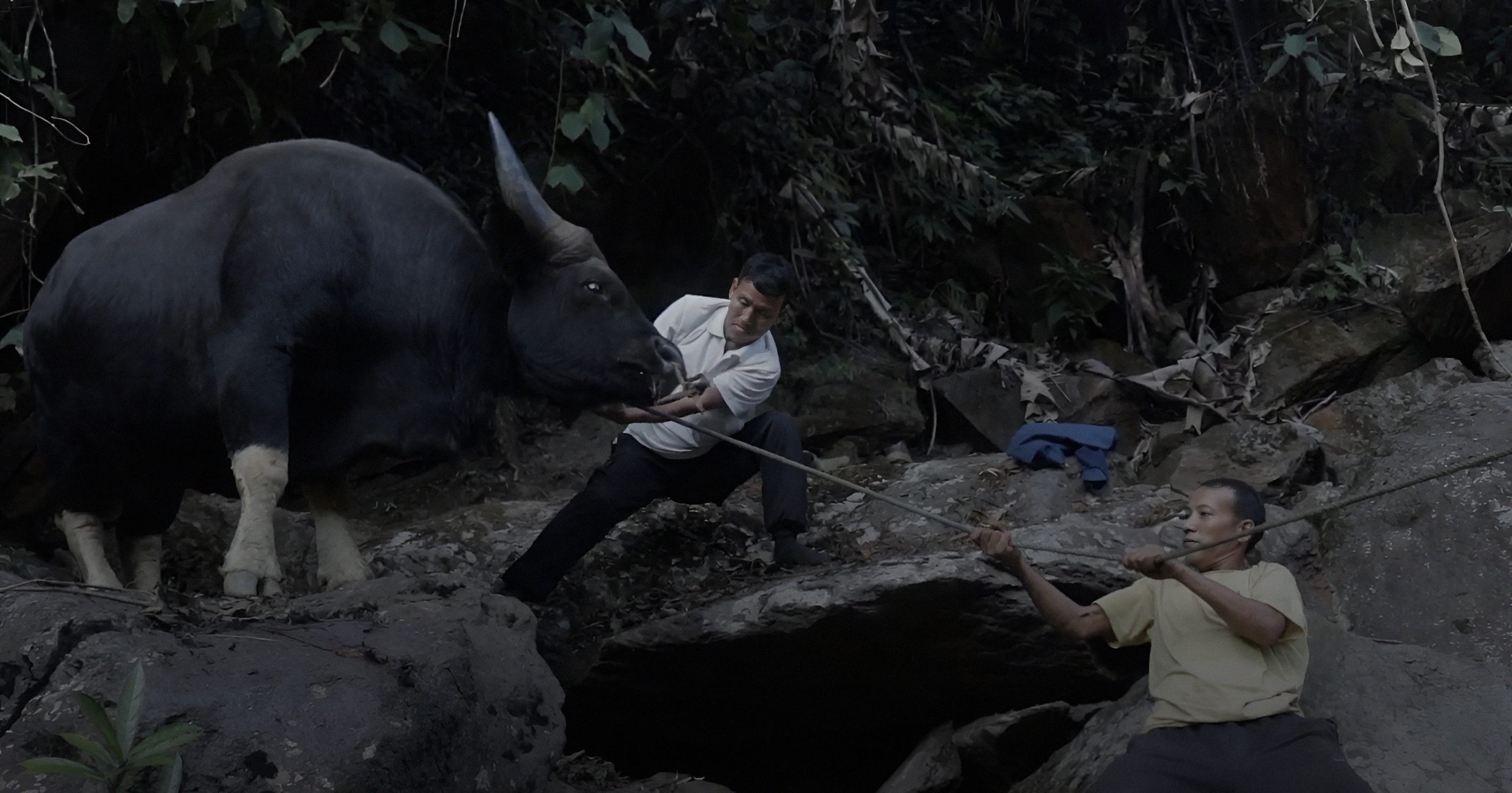
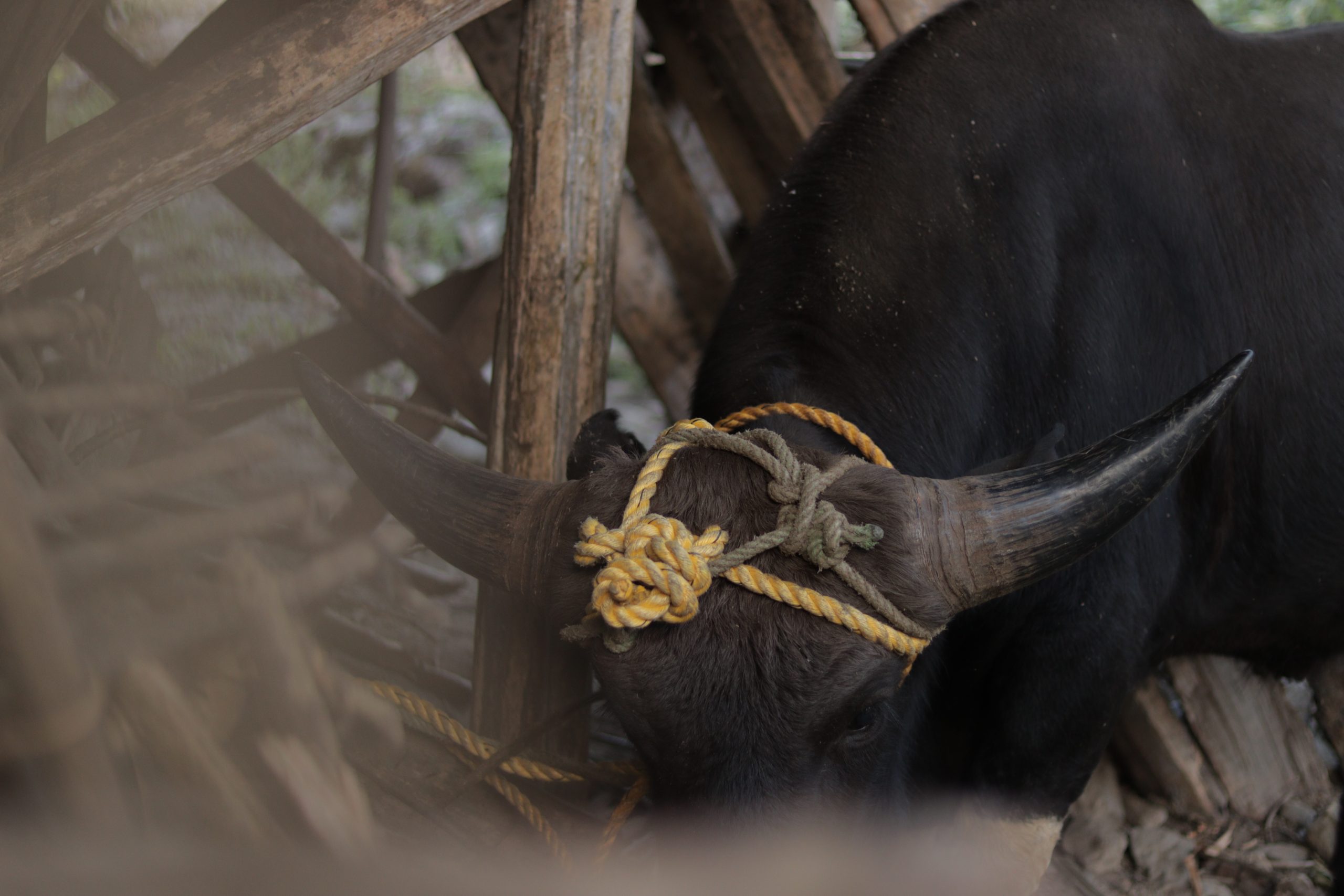
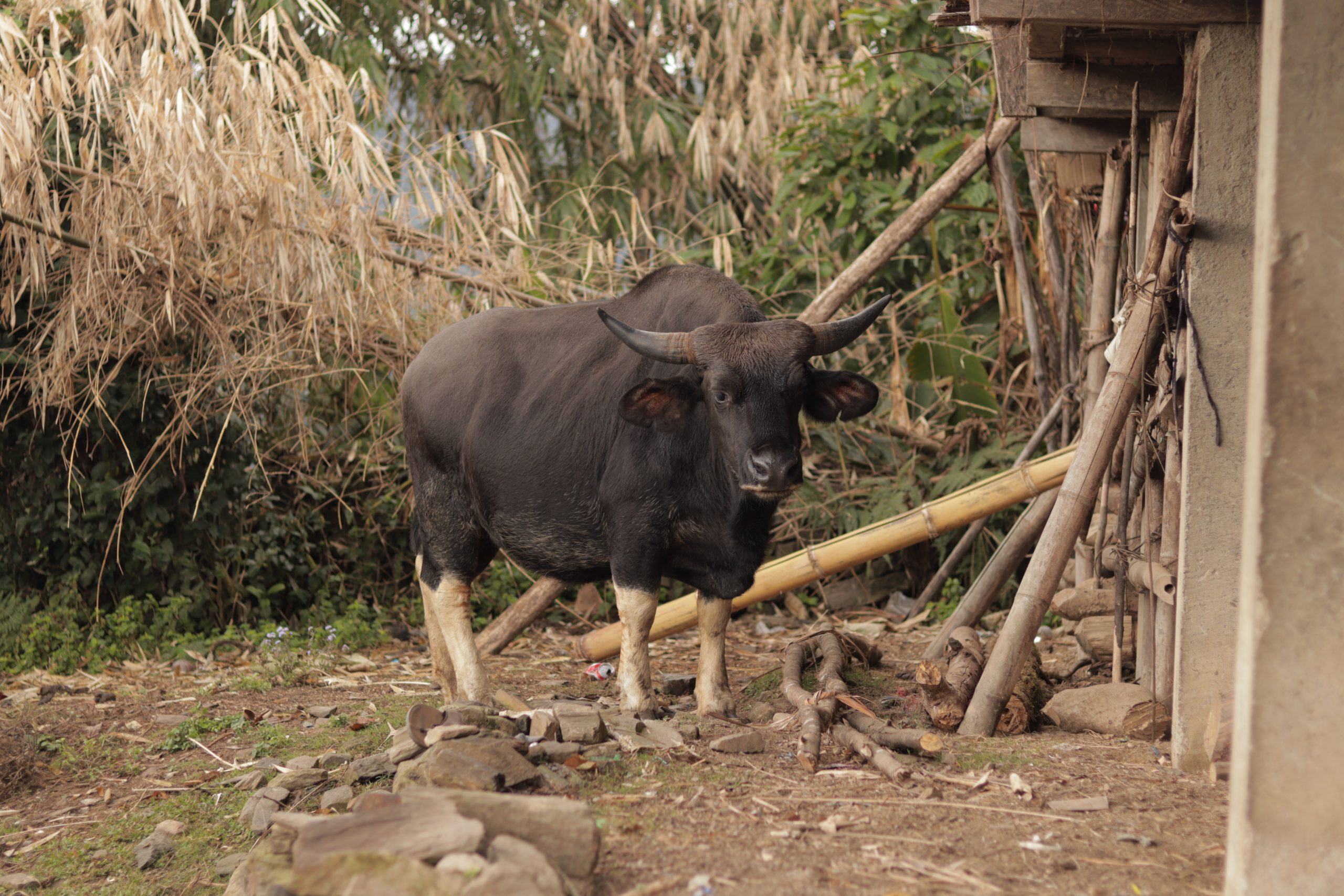
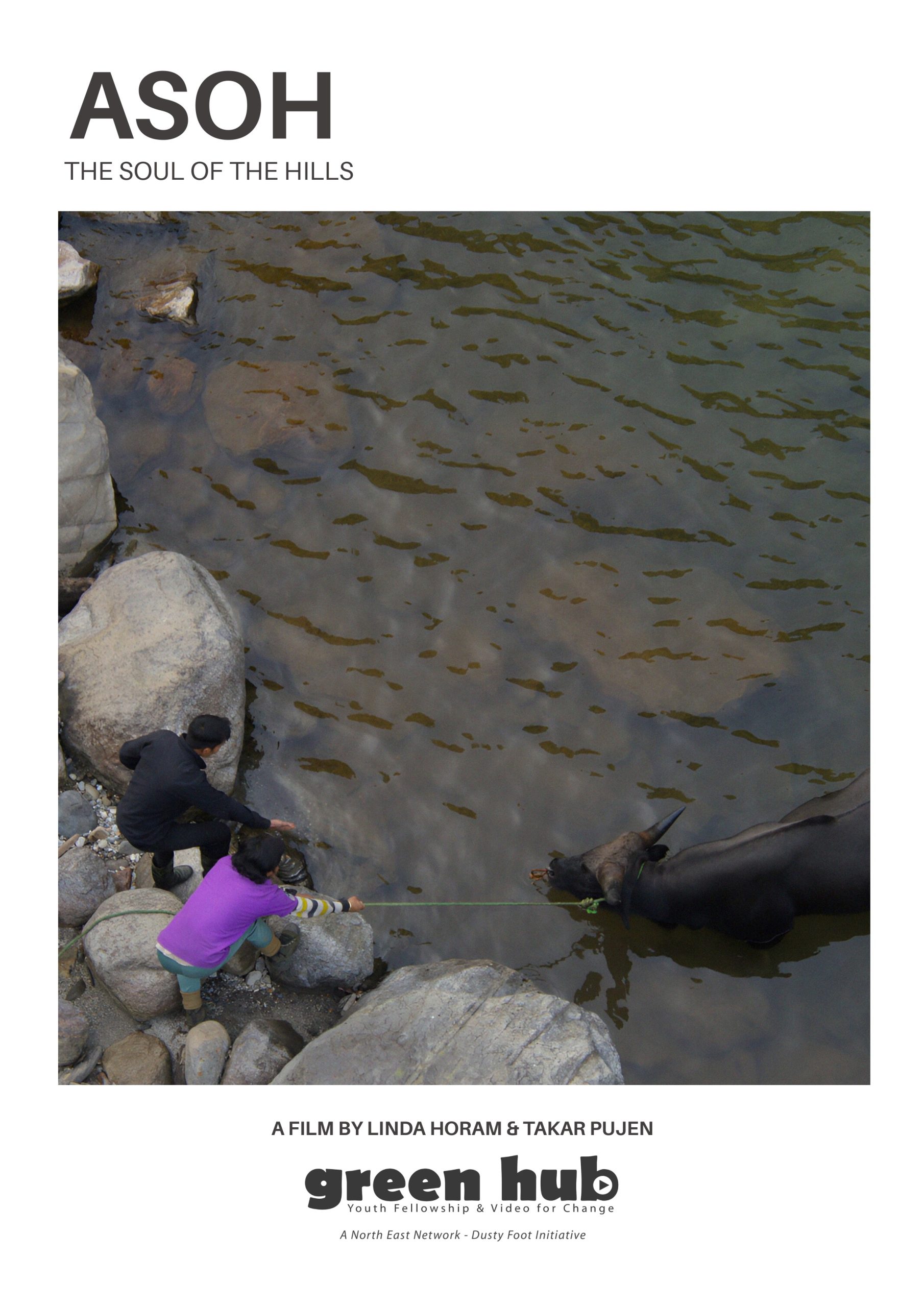
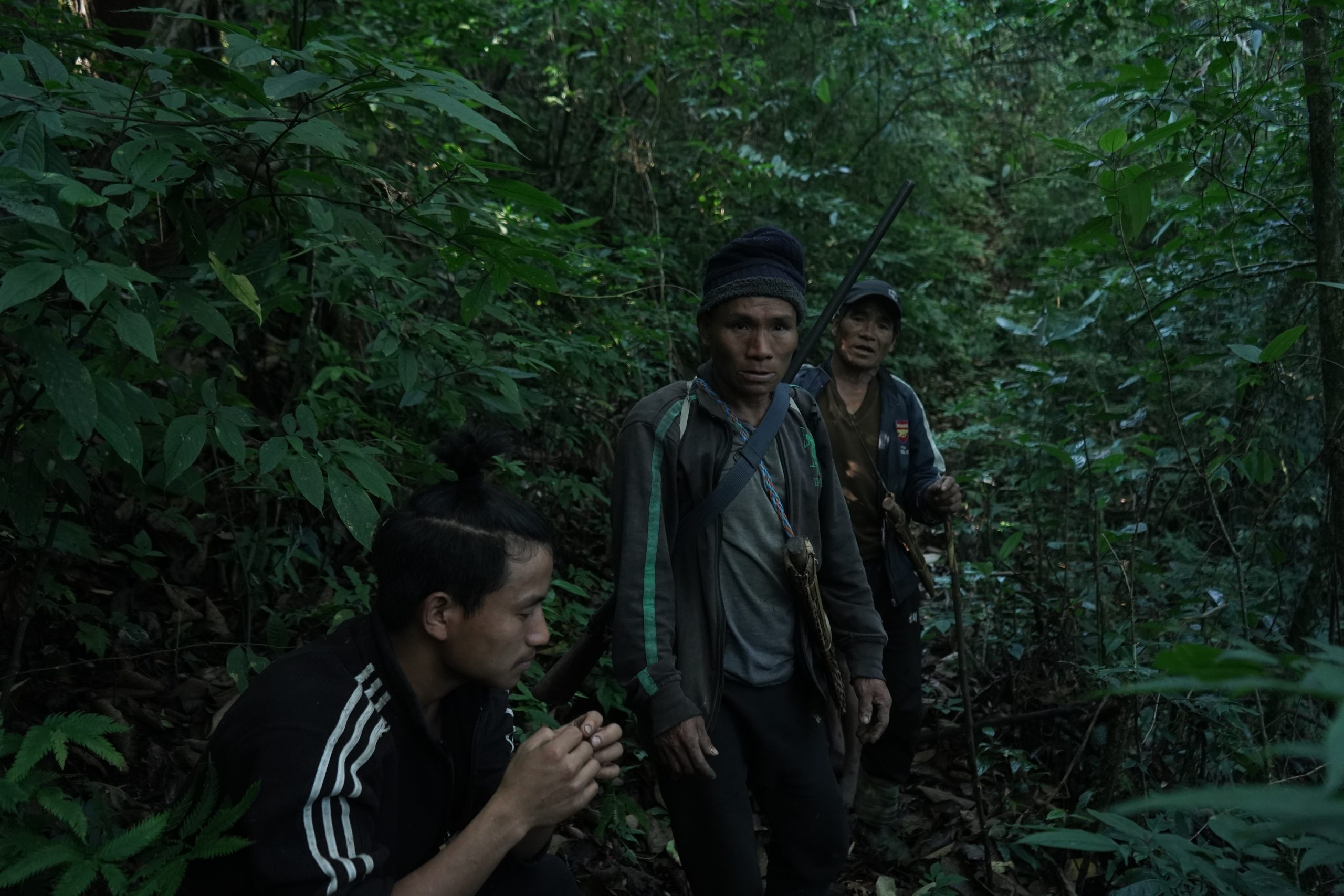
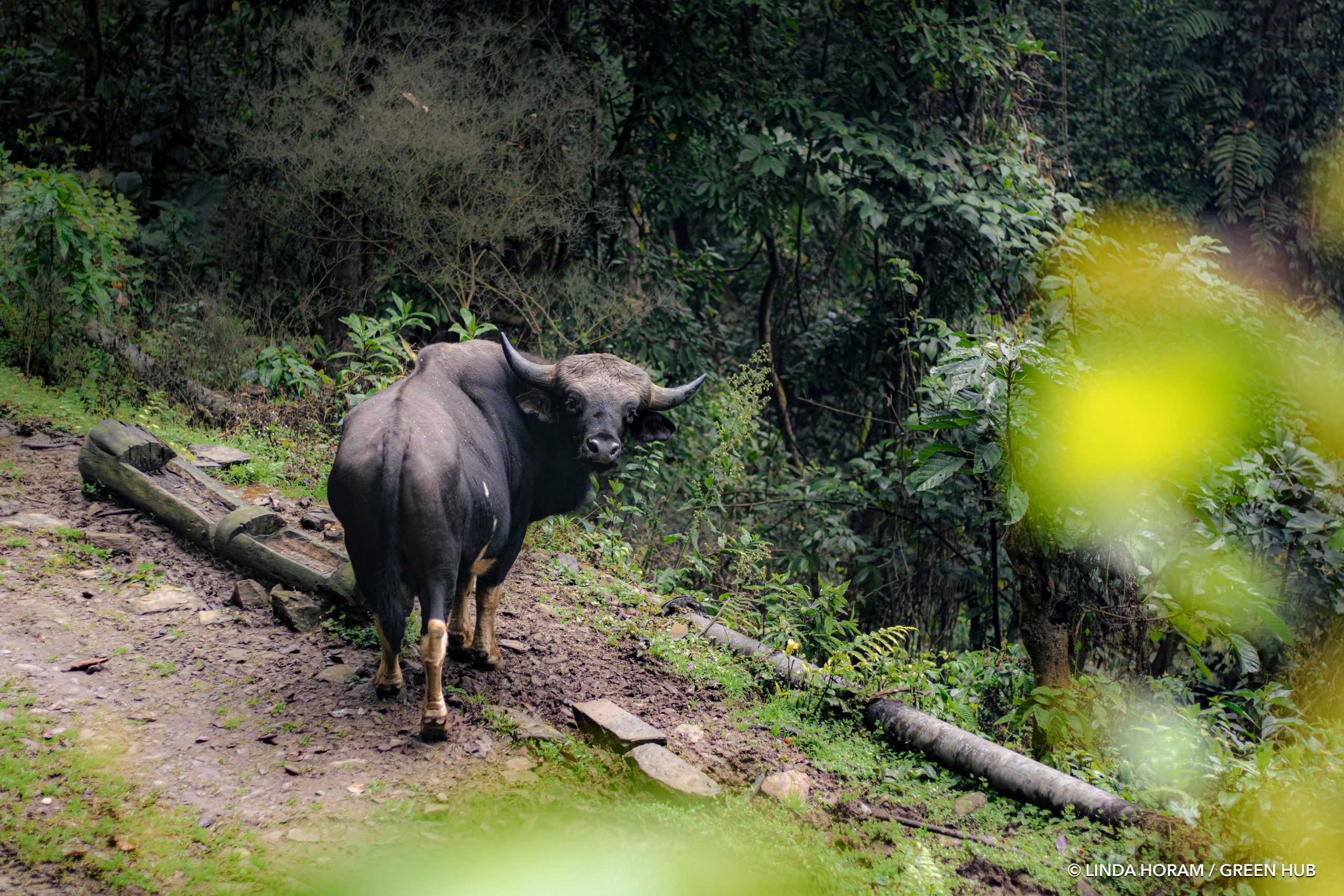
Set amidst the lush hills and deep-rooted traditions of Arunachal Pradesh, Asoh: Soul of the Hills is a visceral, immersive film unravels the intertwined threads of love, culture, tradition and kinship. Told through the lens of a wedding and the bride price to be paid, this story delves deep into the search for a Mithun, a semi-wild bovine revered across many indigenous communities in the Eastern Himalayan Region.
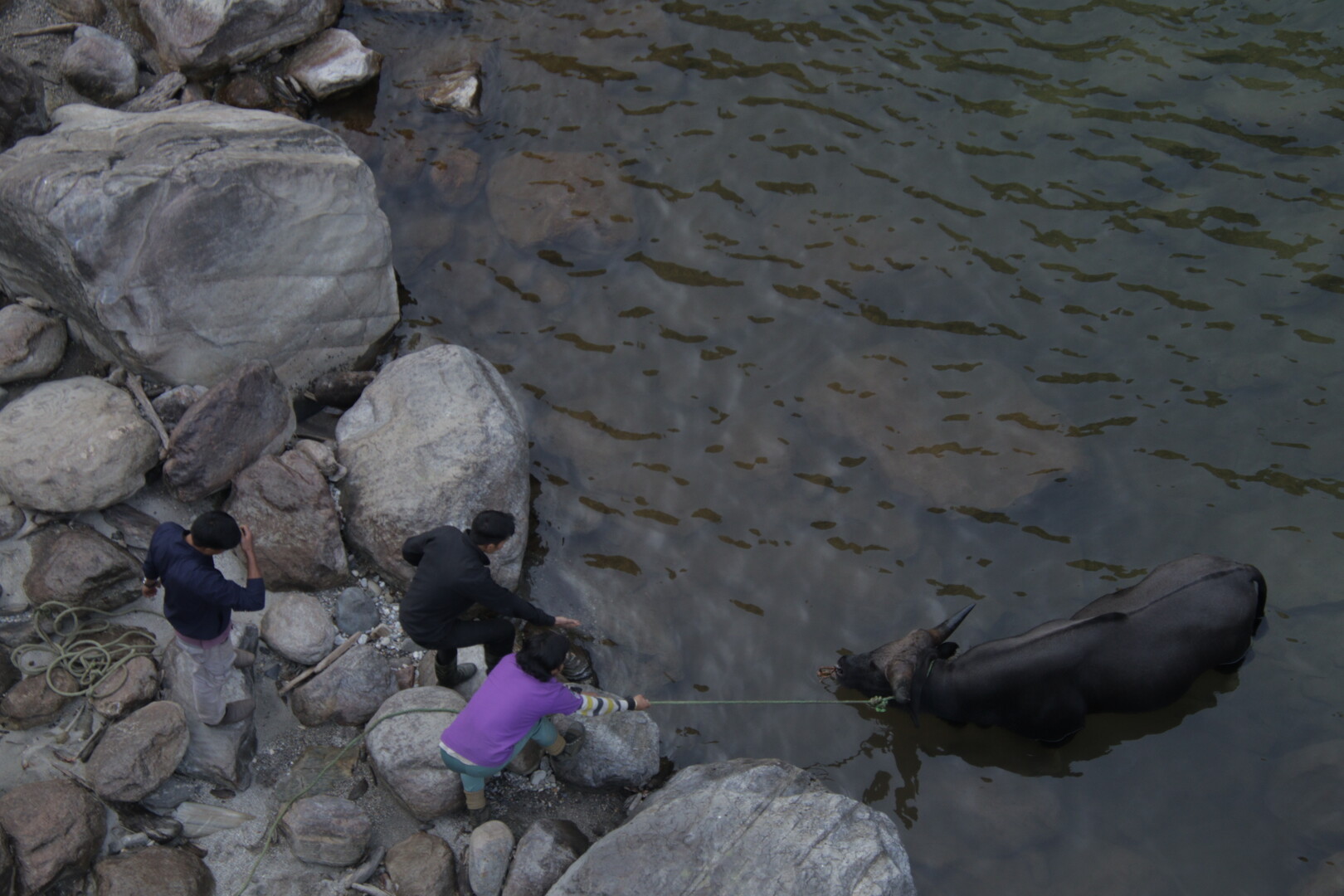
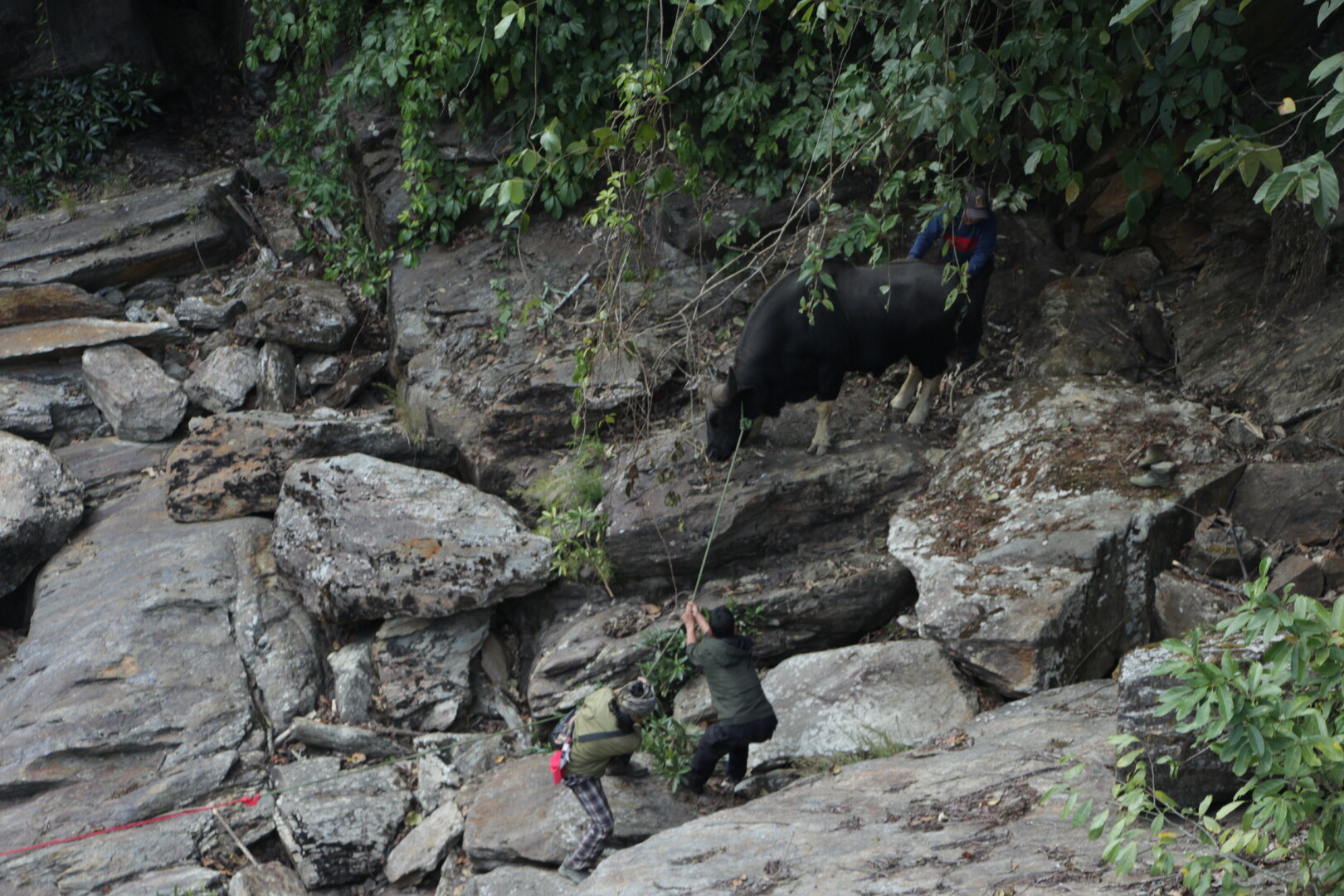
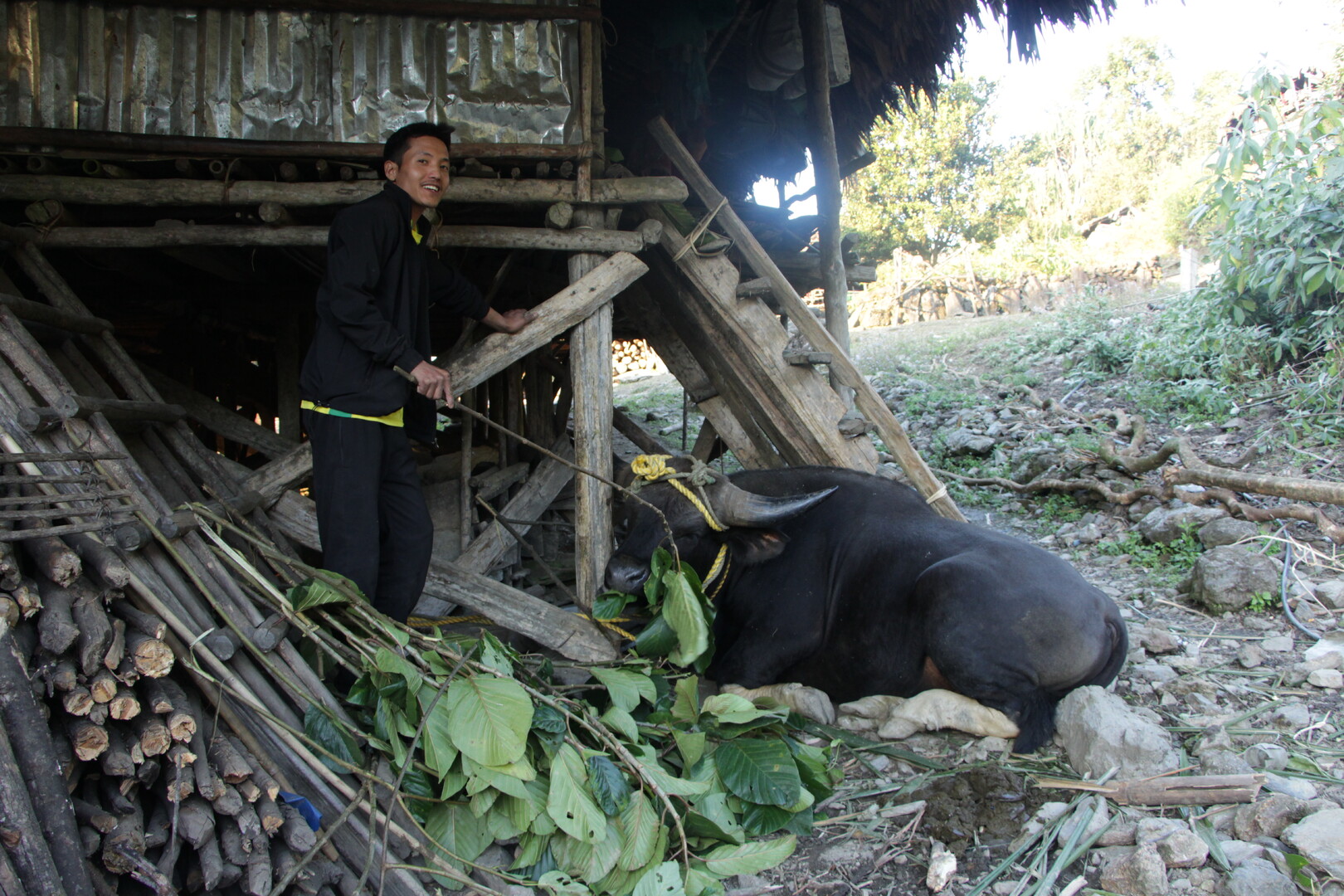
In the cultural fabric of several tribes of Arunachal Pradesh, the bride price is not paid in currency, but in a Mithun. More than a transaction, this practice is symbolic – it is wealth, honor, social status. and the strength of ties between the two families. The film follows a group of men from the groom’s family as they embark on a grueling expedition into the forested hills, attempting to track, tame and retrieve a Mithun from the wild.
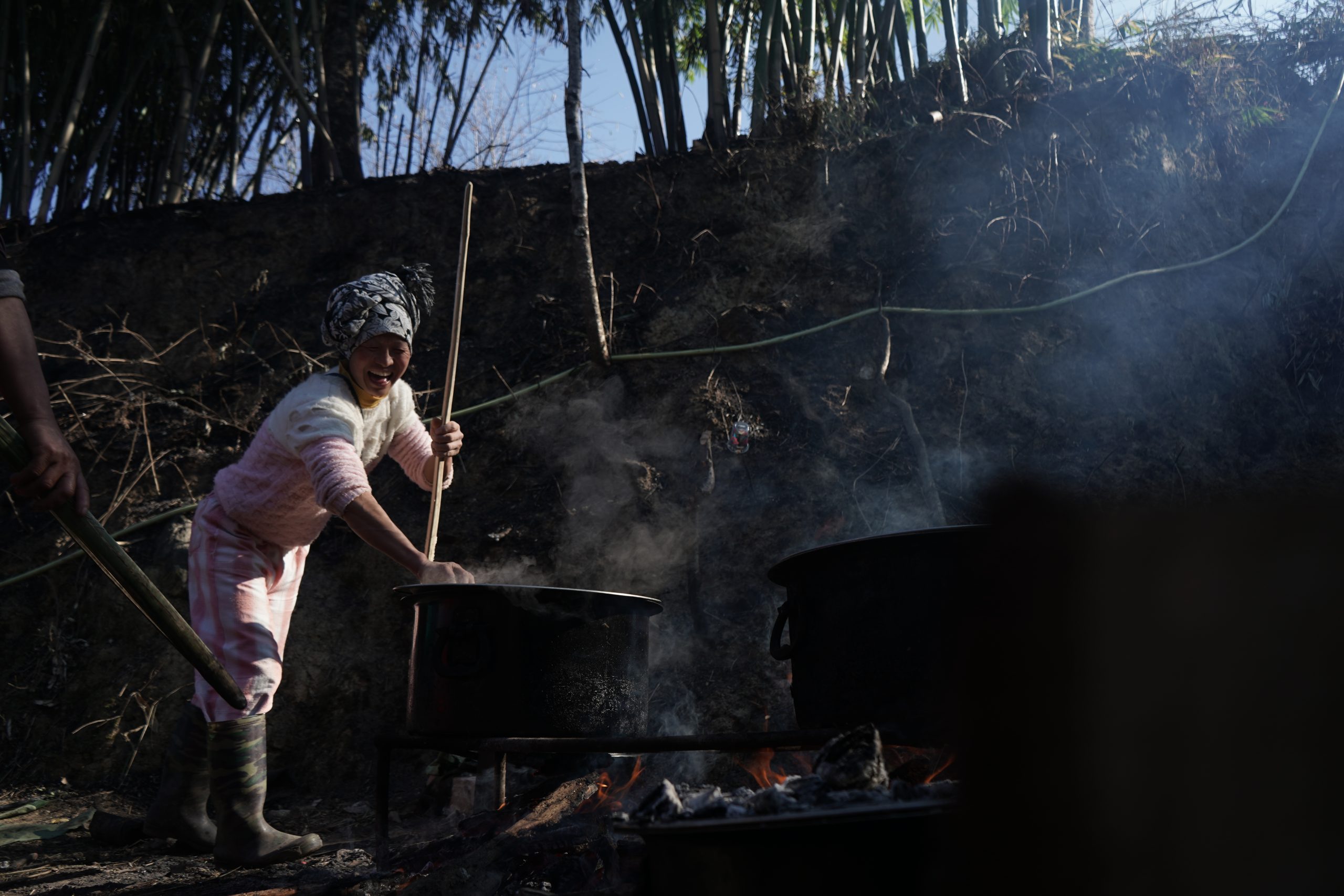
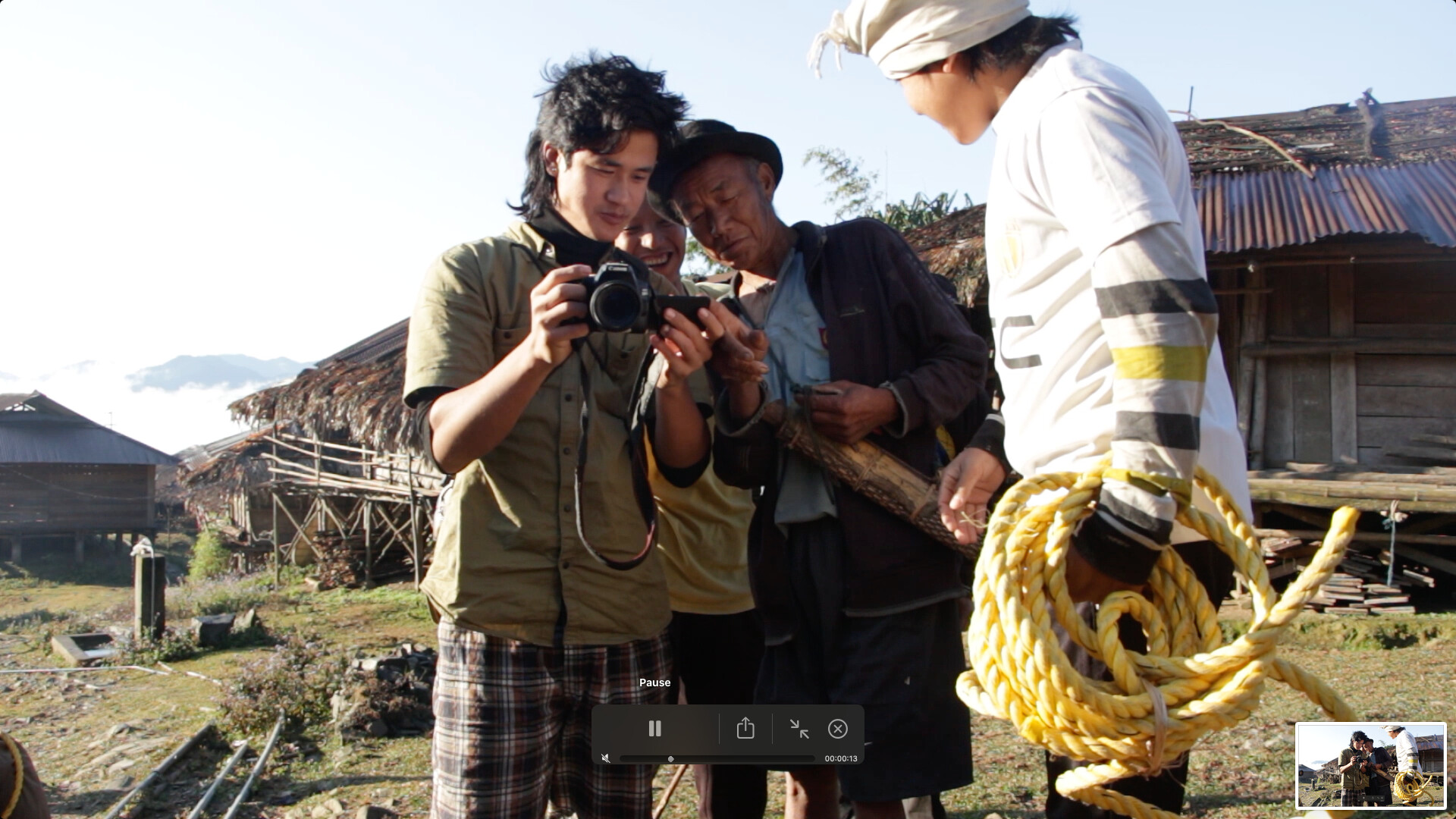
Through intimate cinematography and layered storytelling, the film captures not only the physical intensity of the journey but also the emotional stakes. Alongside the drama of the search, the film gently weaves in the ritualistic processes of the wedding, showcasing the meticulous preparations that blend indigenous belief systems, cultural practices, ancestral practices and collective celebration.
Through observational footage and poetic vignettes, the film presents a cultural chronicle and a visual anthropology, while reminding us that rituals are not just relics but also lived, breathed and carried forward through the everyday acts of people who chose to remember, honor and endure.
In a time when the threads of traditional ecological knowledge and cultural practices are at risk, this film stands as a powerful ode to the spiritual and material significance of the Mithun and its relationship with humans – between kin, community and land, which sustains life in the hills.
Cast & Crew:
Directors: Linda Horam, Takar Pujen
Cast: Gechi Jorang “Gechi (Groom)”, Yai Puning “Yai (Bride)”
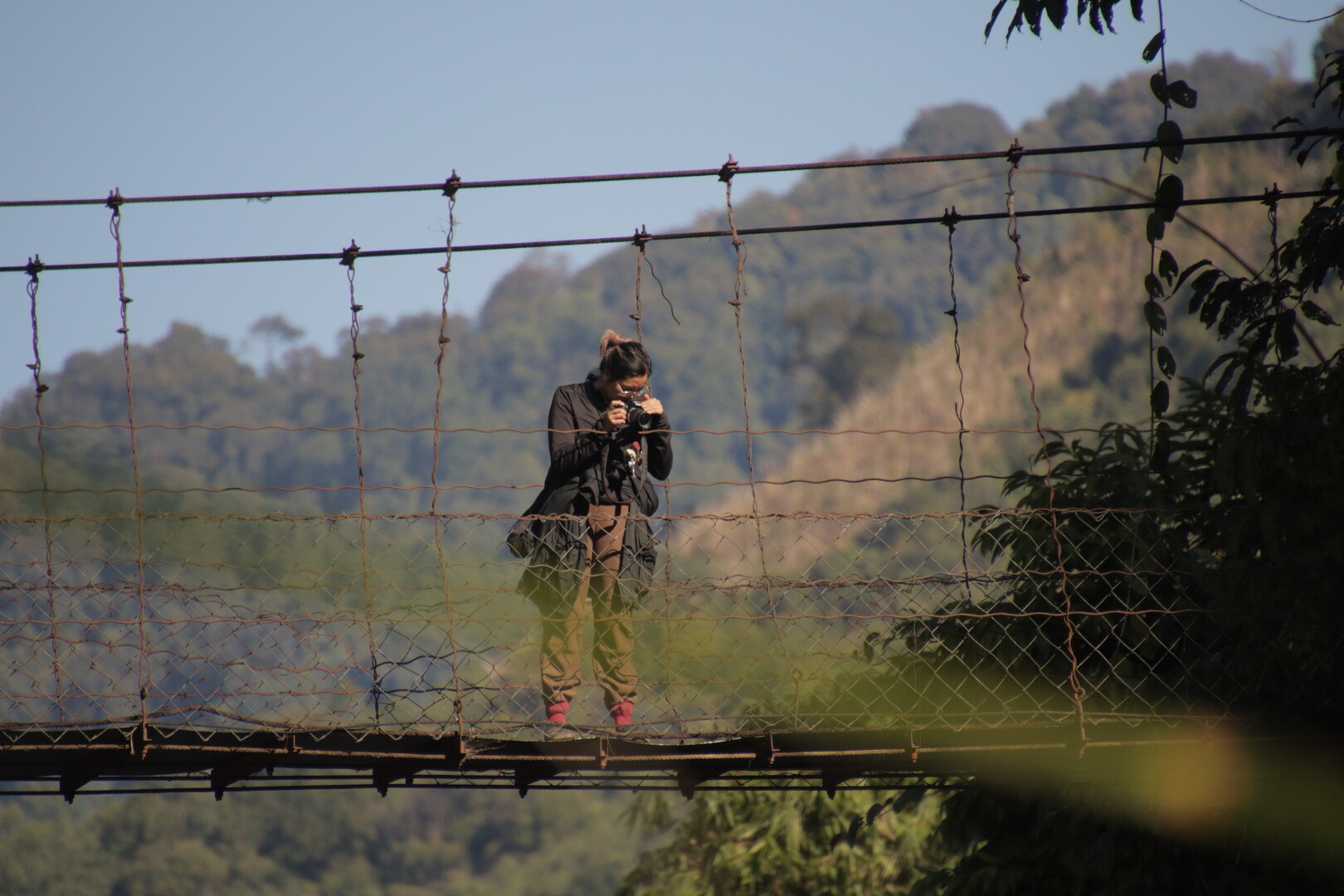
Camera: Linda Horam, Takar Pujen, Mani Yorchi & Banteilang Syiem
Editor: Lind Horam & Takar Pujen
Traditional Song: Yape Pujen, Tayong Dupu
Mentor: Sumit Sisodiya
Producer: Green Hub & ATREE
Director’s Bio

Linda Horam
Linda Horam is an emerging filmmaker from the Tangkhul Naga tribe, based in Ukhrul, Manipur. A recent graduate of the Green Hub Fellowship in Tezpur, Assam, her experience there has deeply shaped her storytelling lens and strengthened her commitment to documenting indigenous realities with care and authenticity.
Her work sits at the intersection of indigenous identity, environmental justice, and everyday resilience. She is drawn to stories rooted in land—where cultural memory, ecological knowledge, and lived experience meet in subtle, powerful ways. Through film, she seeks to challenge mainstream narratives that often exclude or romanticize indigenous voices, and instead foreground the perspectives of communities that have long been custodians of their environments.
During her fellowship, she collaborated with fellow filmmaker Takar Pujen on three documentary films: Asoh: Soul of the Hills, Forest of Hopes: Bioresources of Mouling National Park, and a short film on the biodiversity of Mouling. These projects allowed for deep immersion in diverse landscapes and communities, revealing how trust, patience, and listening can shape meaningful storytelling.
Asoh: Soul of the Hills, in particular, holds deep personal resonance for Linda. While centered on the revered Mithun, the film becomes a meditation on cultural continuity, reverence for life, and the spiritual ties between people and the land. It reflects her broader artistic practice—one that seeks to reclaim ecological narratives from indigenous worldviews, offering a perspective that is both intimate and political.
Takar Pujen
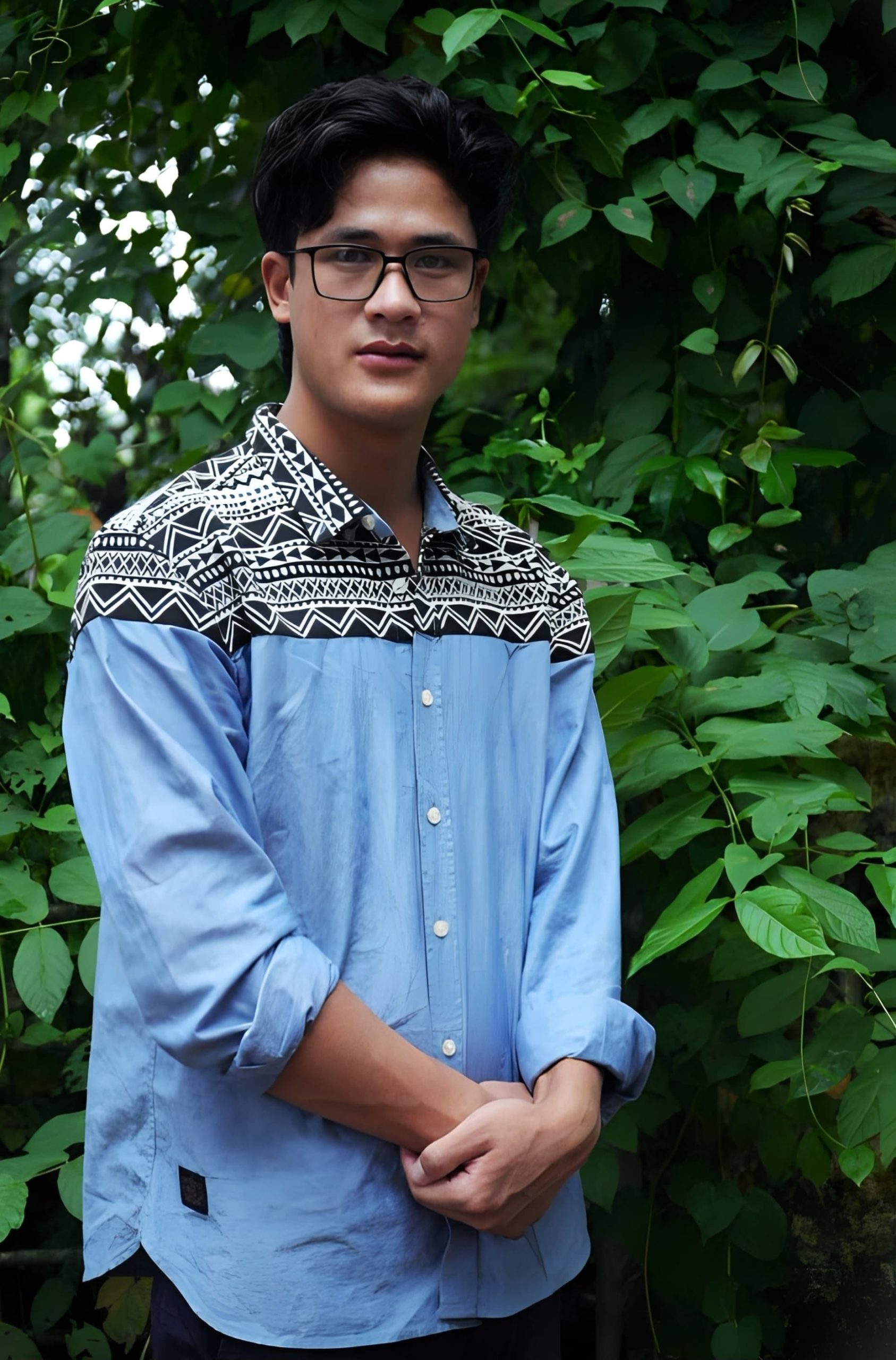
Takar Pujen is an Adi Bokar indigenous filmmaker from Monigong, Arunachal Pradesh. Raised in a family of hunters and herders, he grew up closely connected to the forest and to Mithuns, the semi-wild bovine that hold deep cultural, spiritual, and economic significance in his community.
When illness and disease led his family to lose all their Mithuns, Takar experienced firsthand the cultural and generational loss tied to their disappearance. That turning point prompted his shift from traditional practices toward conservation and storytelling. After joining Green Hub, he began using filmmaking as a tool to document and protect indigenous knowledge, landscapes, and ways of life.
His work is rooted in lived experience and community voices, exploring themes of belonging, memory, ecological responsibility, and regional stories. Through an intimate and grounded approach, Takar’s films seek to preserve what is at risk of being lost and create space for younger generations to reconnect with their heritage.
Currently, they are co-directing a feature-length observational documentary, Of Herder and Mithuns, set in the remote highland forests of Northeast India. The film follows a Mithun herder and examines the intimate relationship between the animal, the forest, and indigenous communities. The project has been selected for the Let’sDoc and StoryLab Fellowships.