Dare To Dream
Ranu Ghosh / Long Documentary / India / Hindi, Rebari / 01:20 / 2025
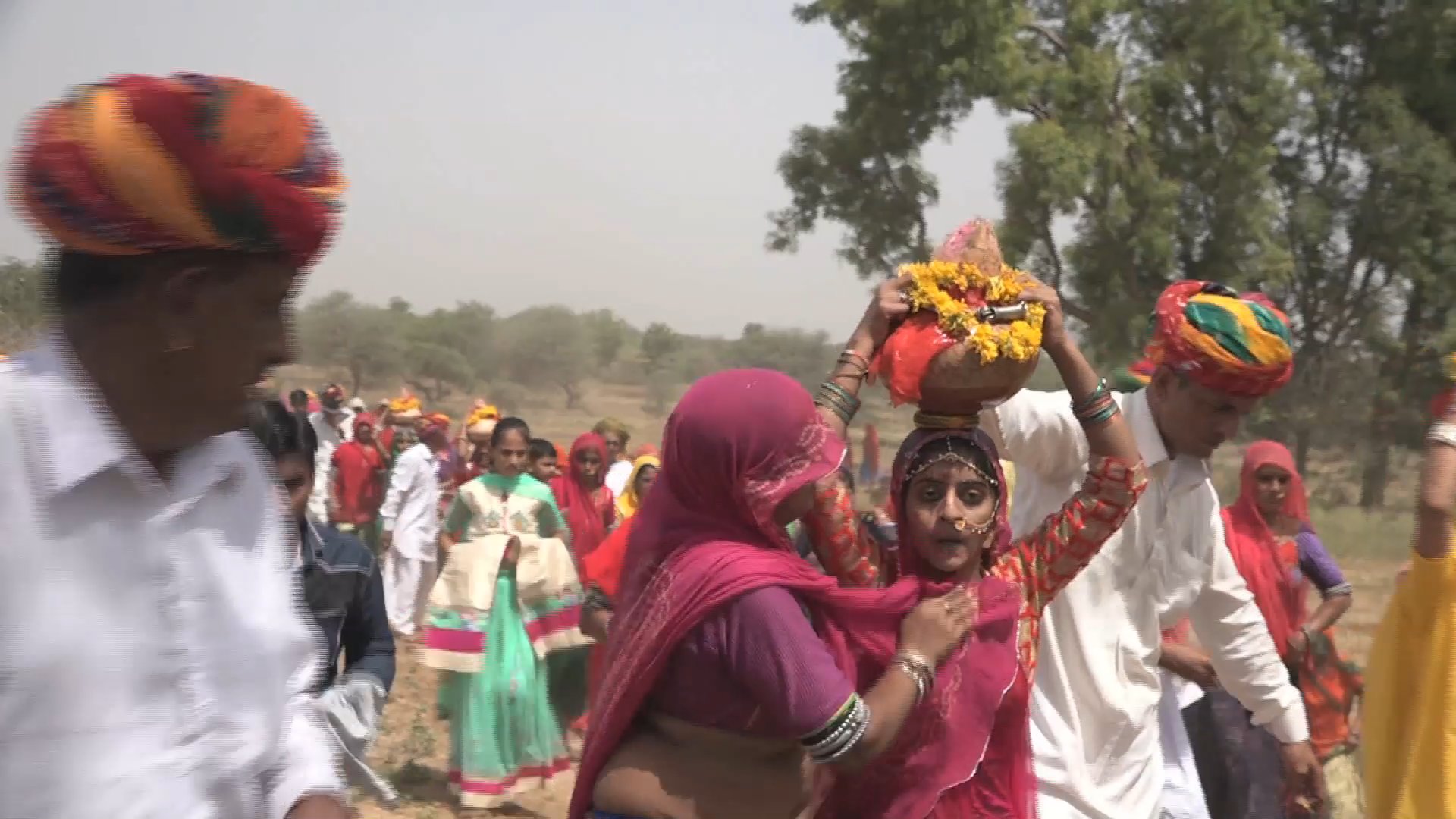
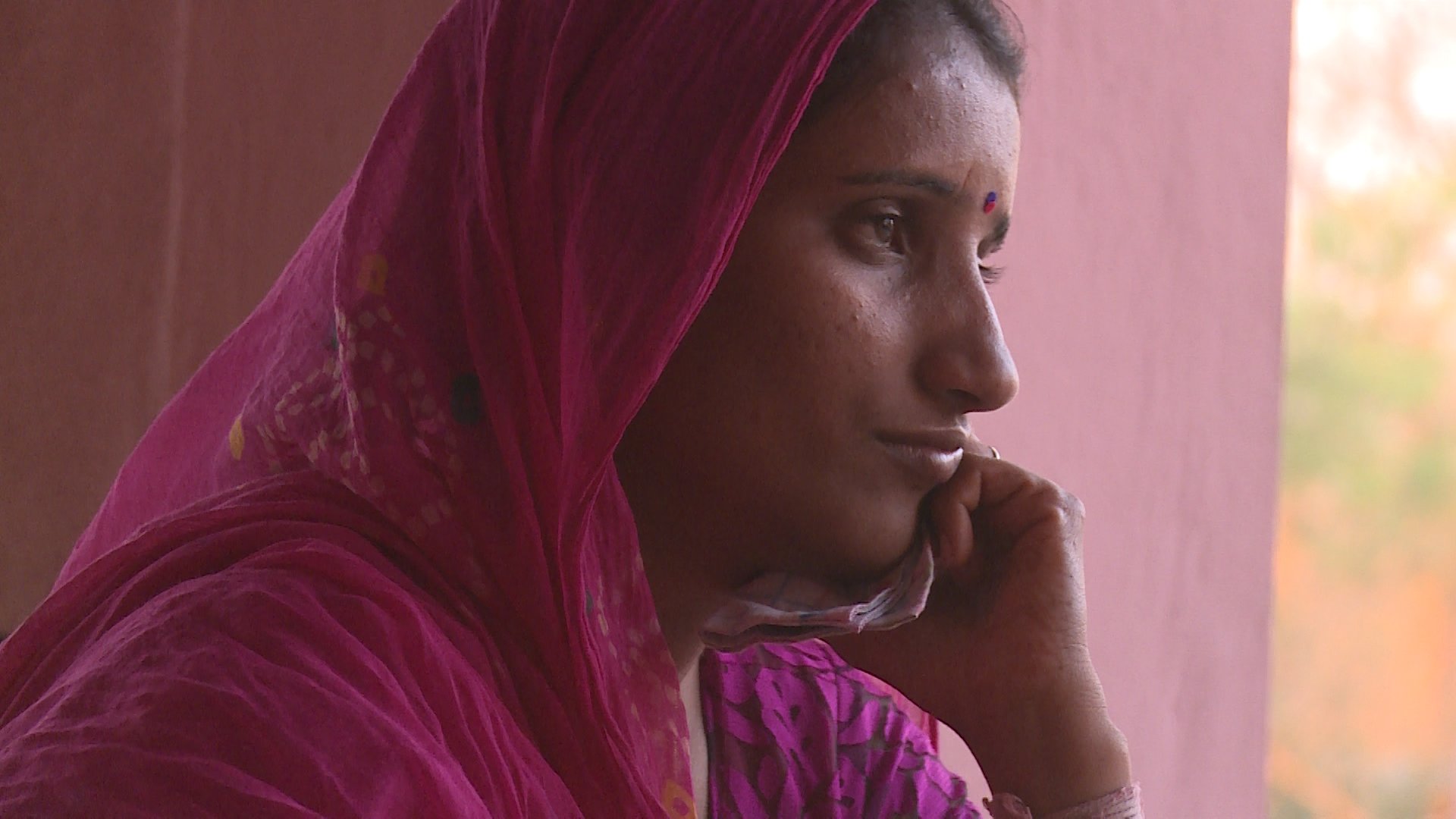
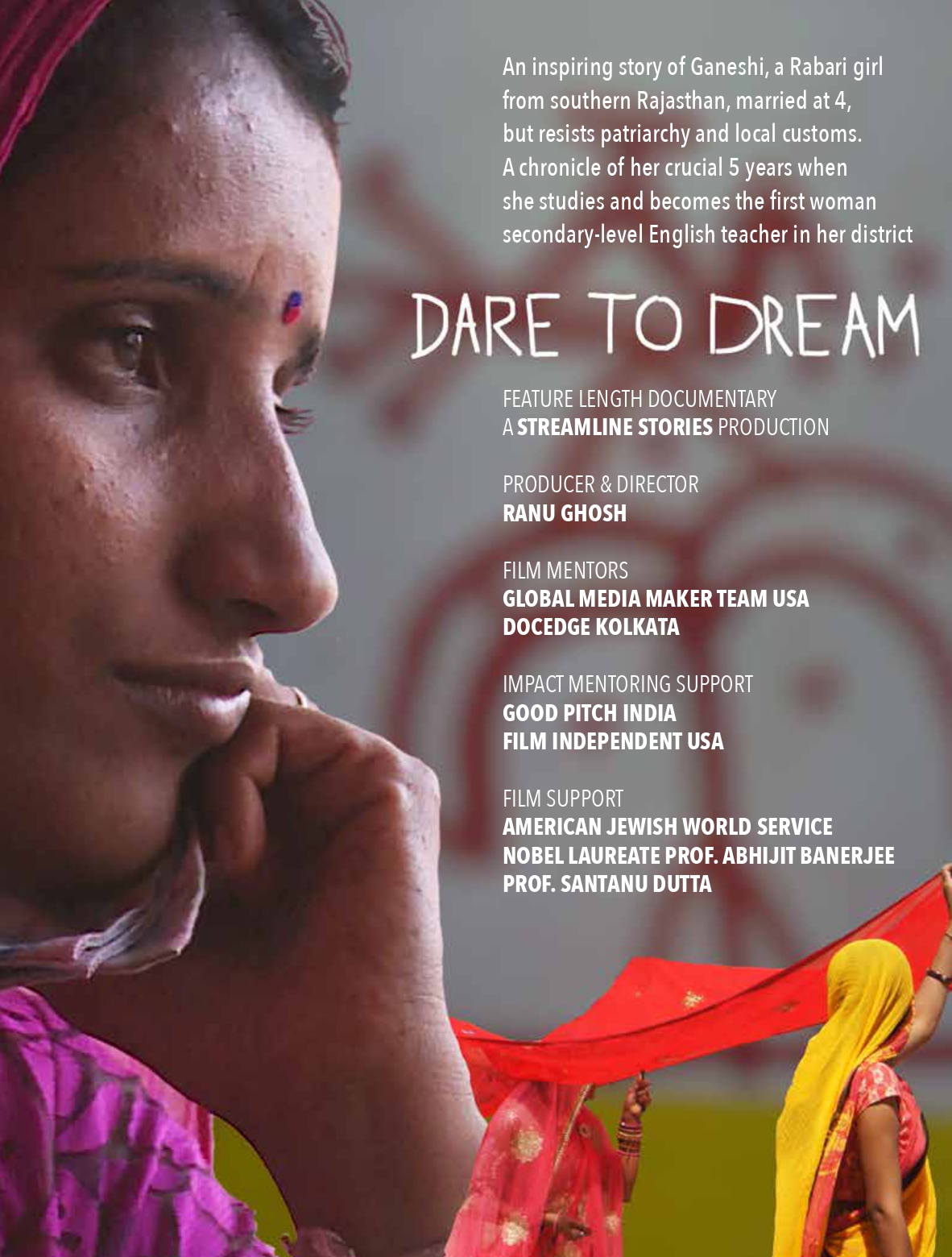
The film explores the life and tribulations of Ganeshi, belonging to the Rabari community in Southern Rajasthan, India.
The film follows Ganeshi for 4 crucial years during which she has to choose between a life of freedom and another of subjugation. Ganeshi’s life-path was decided by her parents and community elders when she was married off at the age of 4 years. The film starts when Ganeshi finishes her Graduation and dreams of becoming a Teacher. She is unwilling to stay with her husband yet. This has caused stress within the family and in her community, which is not used to women raising their voices against injustices.
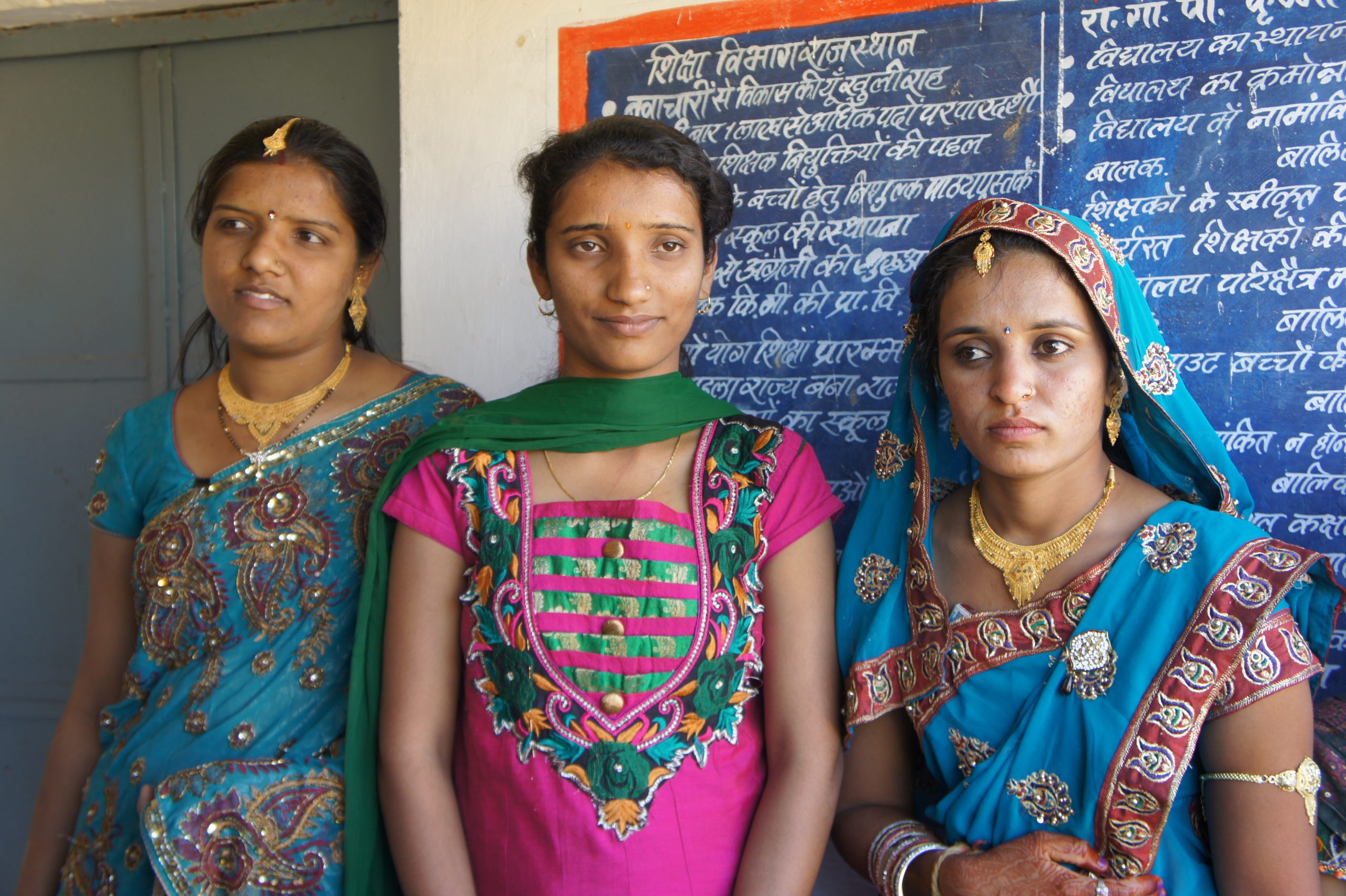
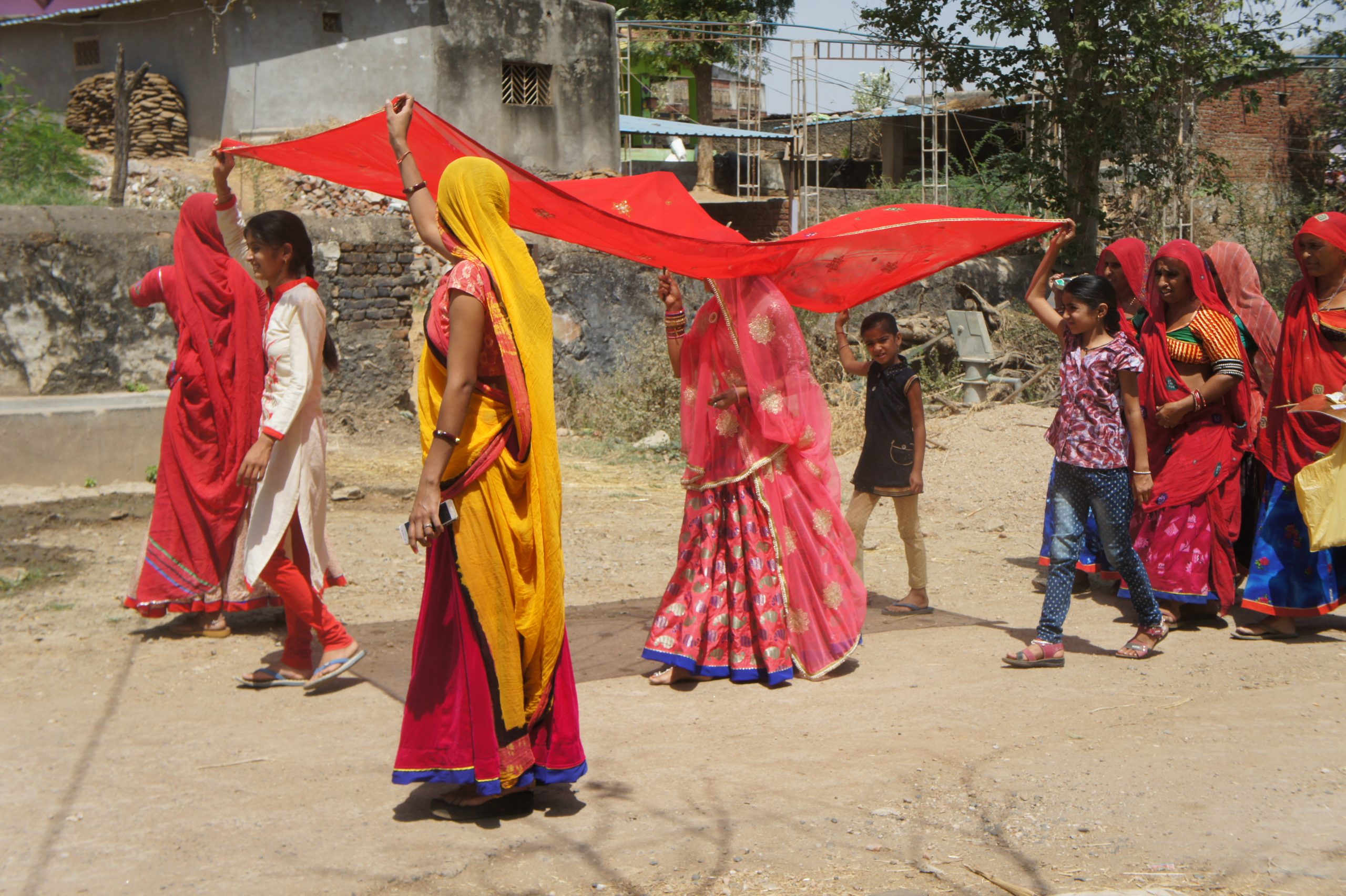
The film gives the audience rare insights into the traditions and way of living of the Rabari Community, which fiercely guards its privacy from the world outside. It also shows the evil still prevalent in the area i.e. child marriage. It explores and questions the role of the village commune, which has profound influence even in the personal lives of the villagers. It also shows the dichotomy of today’s India with its traditionalism on one hand and modernity on the other and the struggles of the present generation like Ganeshi to balance both.
Cast & Crew:
Main Cast : Ganeshi Rebari, Reena Rebari, Swapna Rebari, Nanulal Rebari
Main Crew : DOP : Ranu Ghosh, Editor : Subhadipta Biswas, Music composer : Debojyoti Misra, Dipankar JoJo Chaki, sound mix : Sukanta Mazumdar,
Co-Director,additional Camera : Vijay Kumar, Location Sound : Ranu Ghosh, Vijay Singh
Director’s Bio
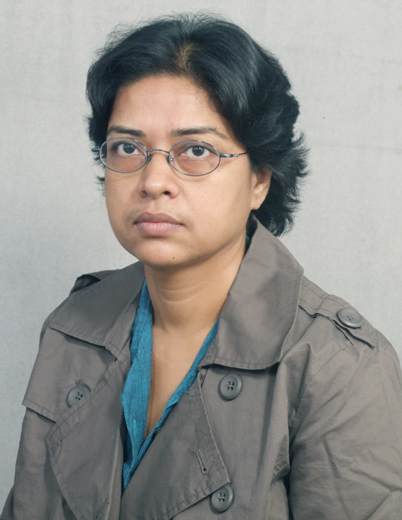
Ranu Ghosh
Ranu Ghosh is an award-winning independent film director, producer, and cinematographer with over two decades of experience across documentary, experimental videos, and feature film. Her work spans celluloid to digital formats.
Earlier in her career, she assisted renowned cinematographer Soumendu Roy, cameraman of Satyajit Ray and internationally acclaimed cinematographer Ranjan Palit in feature films.
Her latest films deeply engage in themes of human rights, Democracy, environment, education, and marginalized communities.
She co-directed The Magnificent Journey: Times and Tales of Democracy with Nobel Laureate Prof. Abhijit Vinayak Banerjee, a project supported by J-PAL, MIT, Harvard University, and Hindustan Times.
Her acclaimed documentary Quarter Number 4/11, supported by Asian Cinema Fund (Korea) and Goteborg IFF Fund (Sweden), premiered at the Busan International Film Festival and IDFA, and screened at over 200 venues globally, including Harvard, MIT, and Tufts. She has also directed several social documentaries on East Calcutta Wetland under the Department of Environment, Govt. Of West Bengal. She also worked as Joint-director, joint cinematographer & Associate Producer in the film ‘ Like Whirlwinds ‘, a TED-Sundance supported film on TED Awardee Prof Sugata Mitra’s “Schools in the Cloud,” which screened at Sundance, Hot Docs, and Tribeca.
As cinematographer and location director, her credits include The Revolutionary Optimist, winner of the Sundance Hilton Sustainability Award. Ranu Ghosh has completed her film Dare to Dream in 2025 as the Director- Producer and Cinematographer. Apart from the above mentioned films, she has bagged many more in the previous years as an independent film maker.
Ghosh’s innovative audio-visual installation Dialogue Remains was selected for Manifesta 7, the European Biennale in Italy. Her collaborative projects include Kolkata Monodosis with Berlin-based artist Christopher Dell and fiction shorts with Marcel Odenbach.
She has received national and international recognition including the Global Media Makers Fellowship (2022) supported by Film Independent and the U.S. Department of State, and a Lifetime Achievement Award from ILEAD, Kolkata (2017). She has served as a jury member at the Mumbai International Film Festival and the National Science Film Festival and was invited to Berlinale 2015 by the German Consulate as a State Guest.
Earlier in her career, Ghosh worked in photojournalism and writing in Delhi and Kolkata. Presently she is contributing as a guest lecturer at institutions like the Satyajit Ray Film and Television Institute, Roopkala Kendro,A Film & Social Communication Institute, Govt. Of West Bengal and ILEAD. Her body of work reflects a persistent commitment to storytelling that bridges art, research, and social engagement.